
2026-09-15 ·
Local Soil Conditions That Influence Liquid Termiticide Performance
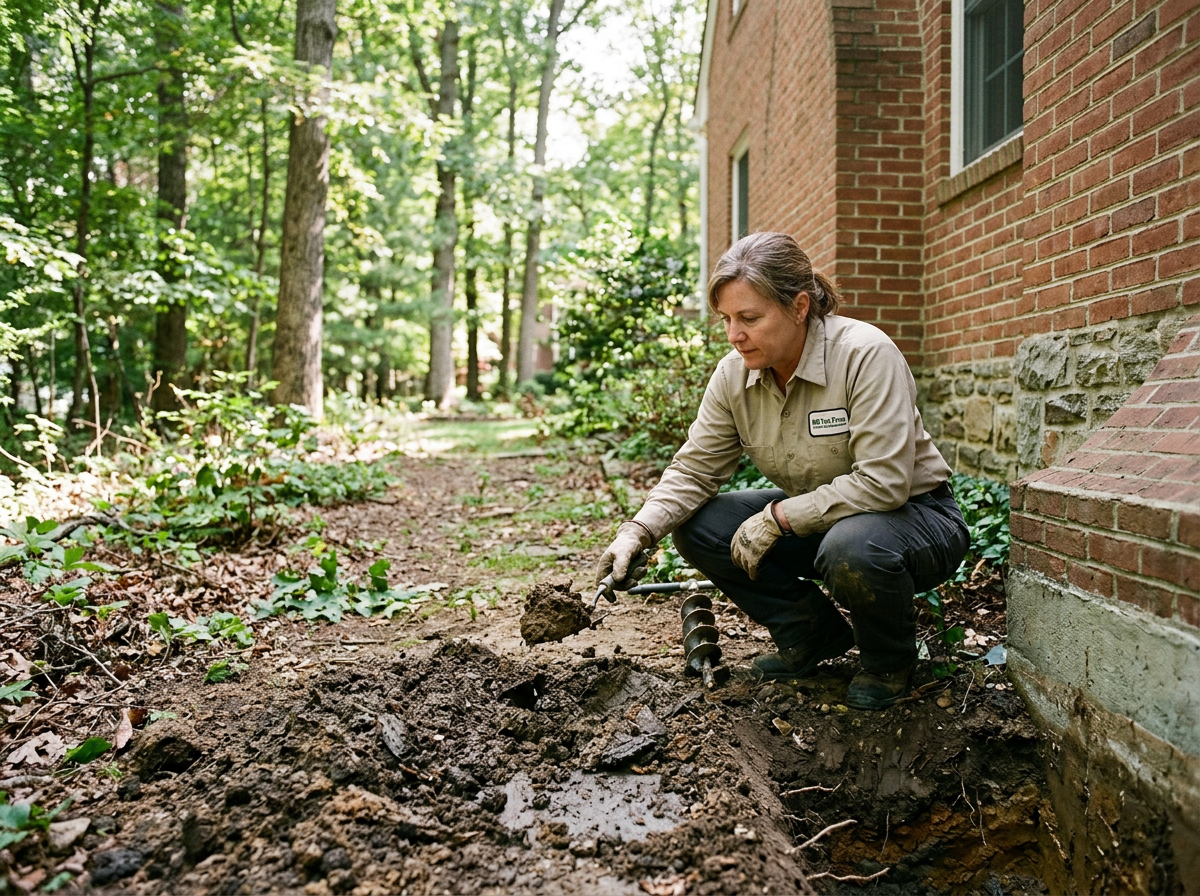
High water tables common across the Eastern Shore reduce liquid termiticide longevity by keeping soil saturated, which dilutes active ingredients and limits their ability to form a continuous barrier around foundations and piers.
High Water Table Influence
Eastern Shore properties often sit above shallow groundwater that rises within 12 to 24 inches of the surface after heavy rain. Liquid termiticides applied in trenches around crawl-space piers lose concentration when this water mixes with the treated zone. Saturated clay and loam soils common near Easton hold moisture longer than sandy inland soils, slowing evaporation and carrying diluted product away from the foundation line. Crews must therefore recheck barrier integrity more often in these low-lying spots. Properties near the Chesapeake experience tidal influence that further raises subsurface moisture, making uniform distribution harder to maintain. Homeowners notice mud tubes reappearing sooner when the soil never fully dries between applications.
Organic Matter and Mulch Effects
Mulch beds placed against siding introduce organic material that binds termiticide molecules and accelerates breakdown. Keeping at least 6 inches of clearance between mulch and wood siding reduces this contact zone. Railroad ties used as edging add another layer of absorbent wood that soaks up product before it reaches the soil. In humid conditions, decaying leaves and pine straw on the ground create additional organic matter that competes for the active ingredient. Termite treatment plans for homes in Talbot County therefore include clearing excessive mulch before trenching begins. This step helps the liquid reach mineral soil where it can adsorb properly to particles and remain effective longer.
Humidity and Soil Moisture Retention
Chesapeake humidity keeps surface soils moist even during drier months, extending the time termiticides remain in solution rather than binding to soil particles. Eastern subterranean termites forage through these consistently damp zones, encountering diluted barriers more quickly. Liquid applications performed in spring before swarm season must account for the months of elevated moisture that follow. Properties in areas such as Cordova and Trappe show faster re-infestation when humidity prevents the treated soil from drying. Regular inspections become essential because moisture-driven dilution occurs gradually rather than from a single heavy rain event.
Practical Monitoring Steps
After application, checking for new mud tubes every 30 to 60 days reveals whether the barrier remains intact under local soil conditions. Eastern Subterranean Termite Control includes these follow-up visits tailored to high-moisture sites. Termite Treatment crews also note seasonal swarm patterns that signal when termites are most active in wet soils. Homeowners can review Seasonal Termite Swarming Patterns On Maryland Eastern Shore to time inspections ahead of peak activity. When tubes appear near the foundation, a targeted re-treatment of the affected trench section restores the barrier without full re-application. This approach matches the soil realities of the Eastern Shore rather than generic national guidelines.