
2026-09-15 ·
Crawl Space Ventilation Tips That Help Limit Termite Attraction
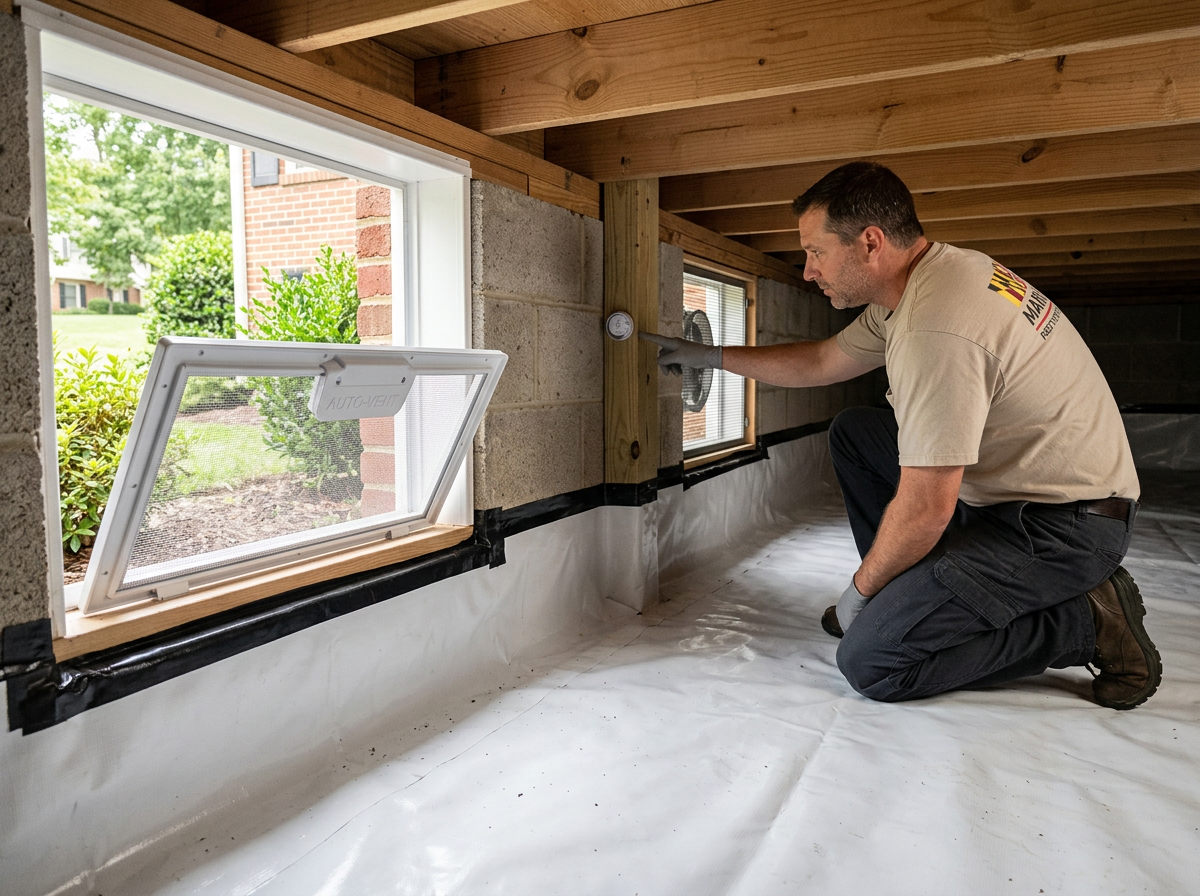
Improving airflow through crawl spaces helps limit termite attraction by lowering moisture levels that draw eastern subterranean termites toward foundations and piers on the Eastern Shore. Homes built over high water tables benefit when vents allow consistent exchange of air, especially during humid months when condensation builds under floors. Clearing blockages and ensuring cross-ventilation keeps relative humidity lower near the soil surface where termites search for food sources such as wood piers or debris.
Moisture Sources in Eastern Shore Crawl Spaces
High water tables under many Talbot and Dorchester County homes push moisture upward into crawl spaces year-round. Chesapeake humidity adds to the problem when warm air meets cooler foundation walls and forms condensation on joists and piers. Mulch beds placed against siding trap additional dampness that migrates inward, while railroad ties used as edging often hold water against the exterior. These conditions create favorable zones for termites that follow moisture gradients when foraging. Homeowners who keep vents unobstructed and allow air to move across the entire crawl space floor notice less standing dampness after heavy rains. Checking for pooled water after storms reveals low spots where airflow alone may need support from grading adjustments outside the foundation.
Ventilation Techniques for High Water Table Areas
Cross-ventilation works best when intake and exhaust vents sit on opposite walls so air travels the full length of the space. Installing vents at both ends of long pier-and-beam foundations prevents dead air pockets near the center where humidity lingers. Screening vents with corrosion-resistant mesh stops rodents while still permitting airflow. In areas where seasonal flooding raises the water table, temporary vent covers during extreme weather protect insulation yet reopen quickly once conditions dry. Maintaining several inches of clearance between soil and the bottom of floor joists allows air to circulate under sills and reduces contact points termites might use. Regular inspection of vent openings for leaves, cobwebs, and debris keeps the system functioning without creating new entry points.
Monitoring and Maintenance Throughout the Year
Spring swarmers indoors often signal that moisture has drawn termites close to living areas, making ventilation checks part of routine spring maintenance. Homeowners who walk the crawl space monthly during warmer months can spot mud tubes forming on piers before colonies expand. Keeping records of humidity readings after ventilation upgrades shows whether airflow improvements are holding moisture down. When vents alone do not resolve persistent dampness, pairing them with targeted termite inspection helps identify whether soil treatment or bait placement is also needed. Linking ventilation work with seasonal awareness of swarming patterns gives a clearer picture of risk periods on the Eastern Shore. Seasonal Termite Swarming Patterns On Maryland Eastern Shore explains timing in more detail for local properties.
When Additional Steps Become Necessary
Persistent high humidity after ventilation upgrades may require a dehumidifier sized for the crawl space volume. In such cases, sealing the ground with a vapor barrier while keeping perimeter vents open maintains airflow above the plastic. When mud tubes appear despite these efforts, professional evaluation determines whether liquid soil barriers or bait stations around the foundation perimeter will address the colony. Eastern Subterranean Termite Control outlines options that complement ventilation work. Linking these steps to a full termite inspection before listing a home prevents surprises during WDI reports. Consistent attention to airflow and moisture keeps termite pressure lower without relying on methods unsuited to Maryland soil conditions.